
Patagonia Provisions
Is Smoked Salmon Healthy?
Mar
Patagonia Provisions / Mar 18, 2026 / Food & Beer, Provisions
Smoked salmon is fresh salmon that’s been cured with salt and smoke. It can benefit your health in many ways and is full of protein, omega-3s and vitamins.

Introduction
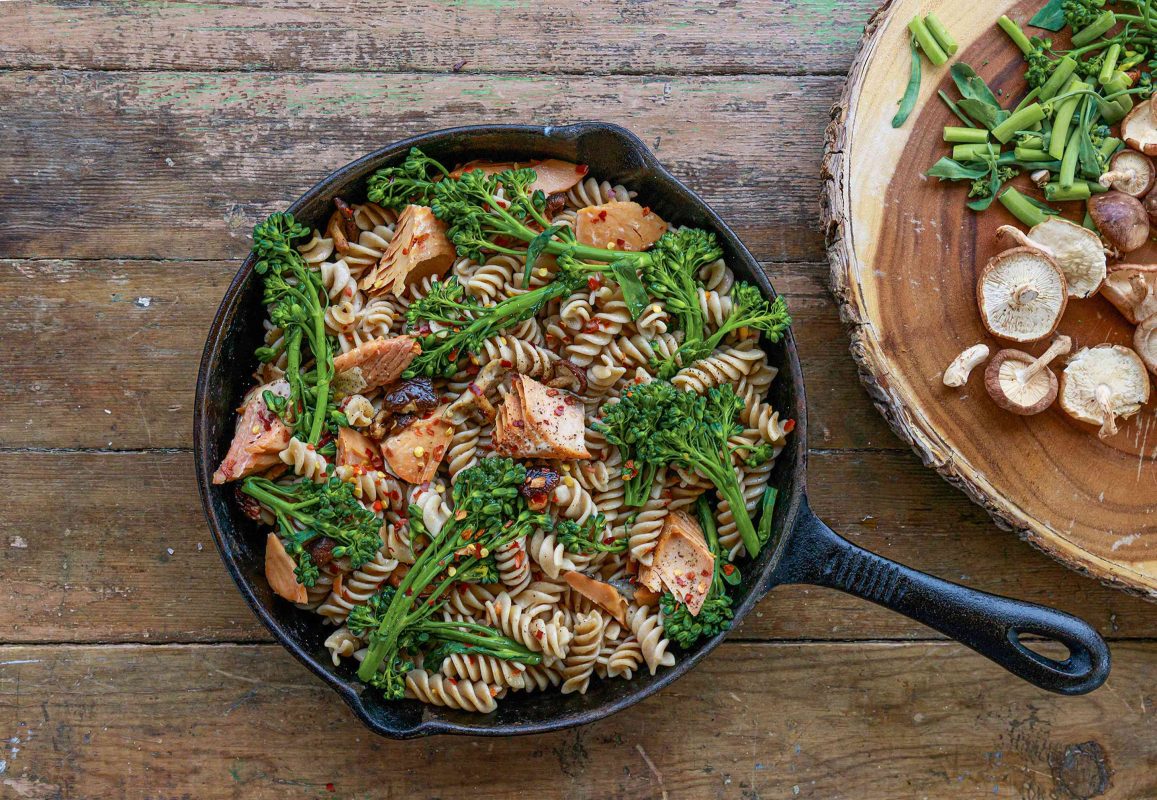
Smoked salmon is delicious in pastas, omelets and layered onto bagels and cream cheese. Though it tastes decadent, smoked salmon is surprisingly low in saturated fat, full of nutrients like protein, omega-3 fatty acids and vitamins, and benefits your health in multiple ways.
Note: The suggestions here have been reviewed by a registered dietitian nutritionist (RDN). However, they should be used for general educational purposes only and not interpreted as customized medical advice or care. Always seek the guidance of a doctor or other qualified health provider to figure out what’s best for you.
What Is Smoked Salmon?


Smoked salmon is fresh salmon that’s been cured (preserved) with salt and smoke, transforming it into a long-lasting, intensely flavorful food. The smoking of salmon dates back thousands of years, with deep roots in Native communities and cultures, especially in the Pacific Northwest. There are two main kinds of smoked salmon: hot-smoked and cold-smoked.
Types of Smoked Salmon
Hot-Smoked (aka Kippered) Salmon
Whole salmon fillets or fillet portions are salt cured, either in a liquid brine of salt, sugar and water, or with a dry salt rub. After one to three days of salt-curing, they’re cooked low and steady over cedar, alder or fruitwood at a temperature generally between 120° F and 150° F, for up to eight hours. Hot-smoked salmon is fully cooked, with a firm, flaky texture and a deep, full, smoky flavor. It looks pretty much like any cooked piece of salmon. Eat straight out of the package or add to recipes as an ingredient. Keep in the fridge and, once opened, eat within a week or so.
Cold-Smoked Salmon
The fillets (whole or portions) are also salt cured and smoked, but at lower temperatures—generally between 80° F and 90° F—and for a longer time, usually 12 to 18 hours. Cold-smoked salmon has a silky-smooth, soft texture, an oily sheen and a delicate flavor. Nova cold-smoked salmon, from Nova Scotia, tends to be especially rich and mild. Cold-smoked salmon is not fully cooked, so keep the package in the fridge and, once opened, eat within two or three days. The FDA advises that pregnant women, young children, the elderly and the immunocompromised steer clear of this partly cooked fish, but most people have no trouble with cold-smoked salmon.
What About Lox?
A beloved staple of Jewish “appetizing” shops and traditionally made with salmon bellies (the fattiest part of the fish), lox is easy to confuse with cold-smoked salmon because it looks and feels similar. Also, it doesn’t help that Nova is sometimes called “Nova lox.” True belly lox isn’t smoked, though—just thoroughly salt-cured—and not cooked at all. It tastes noticeably saltier than cold-smoked salmon and, of course, has no smoke flavor. As with cold-smoked salmon, keep lox in the fridge, eat an opened package within a few days and bear in mind the FDA advisory above.
As with fresh salmon, eating smoked salmon is a great source of essential nutrients and can help prevent disease. A three-ounce serving (about the size of a deck of cards) has nearly 19 grams of protein, which builds and repairs muscles, skin, organs and bones. A single ounce contains nearly 20% of the daily value of vitamin B1, which helps convert food into energy. Even the red color—especially vivid in sockeye salmon—has a health benefit: The color signals the presence of an antioxidant called astaxanthin, which may lower cholesterol and help protect the brain and nervous system.
Salmon and Omega-3s

Most of the buzz around the nutrition of smoked salmon—and around salmon in general—centers on its high content of omega-3 fatty acids. According to a number of studies, omega-3s reduce the risk of heart disease and stroke. That’s why the American Heart Association recommends eating at least two servings of fatty fish, like salmon, per week. Omega-3s are also linked to improved cognitive functioning and a lowered risk for a wide range of serious, common mental and physical problems, including dementia, depression, macular degeneration and multiple sclerosis.
For the best nutrition possible, choose smoked salmon that’s made with wild fish from pristine waters and harvested before they enter their home rivers to spawn. These salmon are vigorous, with layers of omega-3–rich fat they’ve packed on to fuel their runs up the river. Avoid salmon farmed in open-net pens, since they can be diseased and also have higher levels of toxins, like polychlorinated biphenyls (PCBs), industrial chemicals that were banned in the 1970s but linger in our environment.
A Note About Sodium in Smoked Salmon
Because smoked salmon is cured with salt, it can be high in sodium. For the average person, the Dietary Guidelines for Americans recommends an intake of no more than 2,300 mg of sodium per day (that’s only about a teaspoon of table salt). Different brands of smoked salmon have different levels of salt, so check the label before you grab a pack.
So, Is Smoked Salmon Healthy?
Smoked salmon tastes indulgent, but there’s solid nutrition in every bite. Since it’s on the salty side, though, it’s recommended to eat smoked salmon in moderation.
