

Uncategorized
Alligator Paradise
Brad Wieners / Jan 28, 2026 / Activism, Community, Planet, Sports
A big win during a perilous season for public lands.
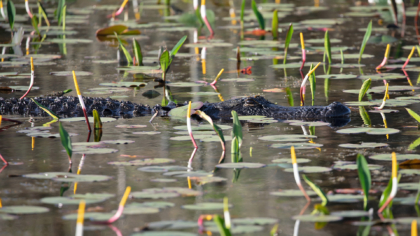
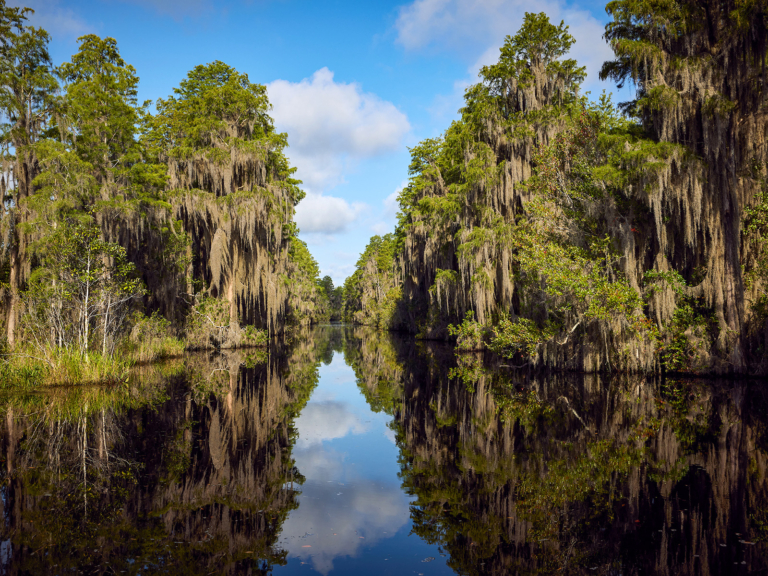
Picking a favorite wildlife encounter in Georgia’s Okefenokee Swamp is a bit of a stumper for Stacy Funderburke. “How about three?” he counters. A regional vice president for the Conservation Fund, Funderburke has visited the Okefenokee, the largest black-water swamp in the United States, annually for the last 20 years; on most of those trips, his twin daughters paddled the canoe.
“The first time we went together, a ranger told the girls to count the gators they saw. They’re age 5, maybe 6, and they took this seriously,” Funderburke recalled. Sixty-three alligators is where they got to by the end, “and when they told their mom, she was like, ‘Please put your father on the phone,’” he laughs. “Now we barely notice when a gator bumps the boat.”
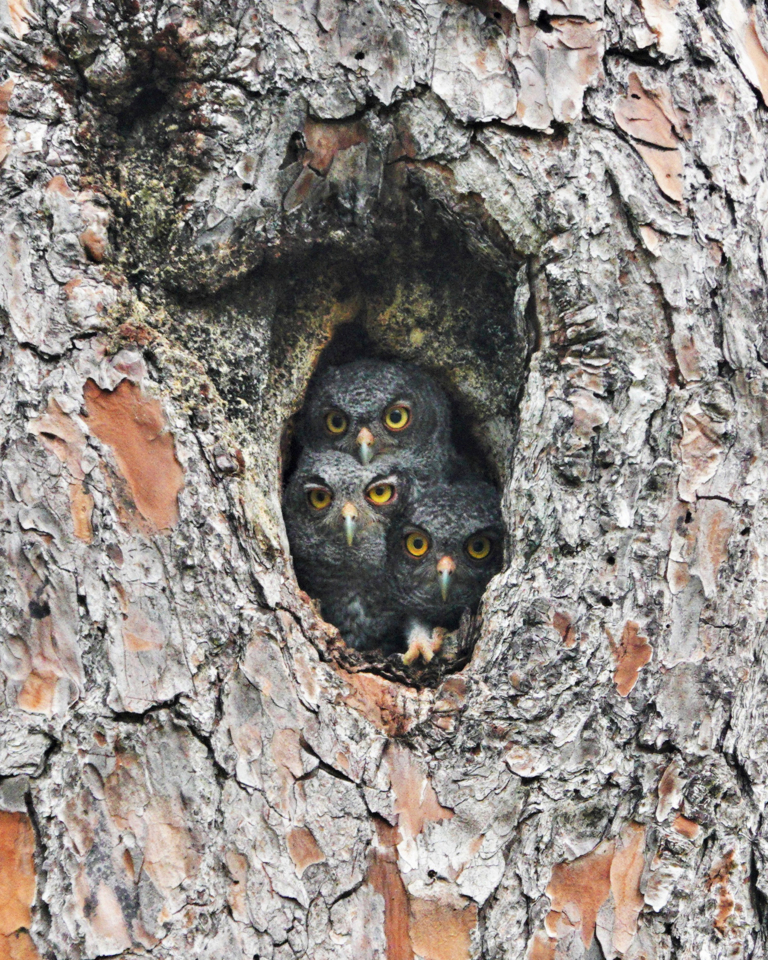
Camping on platforms 10 miles from any road, they’ve had close calls with assorted snakes, rare frogs, massive cranes and even an owl summoned by one of his daughter’s barred owl calls. “One year, we had a cold snap, so we had to break the ice to get into the channel,” Funderburke said. “Because it was cold, the gators were in, so the otters came out. They swam around our canoes playing and splashing, and my girls were just squealing with delight. One otter went into her den and came out with a fish. She was just sitting there on the bank, close enough we thought she might offer us a bite.”
For the last six years, Funderburke has been working hard to ensure that such unforgettable moments remain available to all, and in June 2025, he and a coalition led by the Southern Environmental Law Center scored a major victory. That’s when the Conservation Fund bought almost 8,000 acres just outside the Okefenokee National Wildlife Refuge, including 600 acres on a ridge above the swamp that a titanium mining operation had designs on. The fund now owns both the lot and the mineral rights. There will be no mine there. The swamp can and will continue to contribute over $90 million annually to the local economy through tourism. What’s more, blocking the potential mine improves the Okefenokee’s bid to become a UNESCO World Heritage site.
“The response has been overwhelmingly positive,” said Bill Sapp, a founder of the Okefenokee Protection Alliance, a coalition of more than 40 organizations led in part by a Patagonia grantee, Georgia Rivers. “Even people who have yet to make it to the swamp want to see it preserved,” he added, noting that at the peak of the campaign, the alliance had 52 member groups totaling 5 million members. “Even so, we couldn’t have succeeded without the Conservation Fund stepping up to make the deal,” Sapp said.
“I’ll send that right back, Bill,” Funderburke said on a call together. “Without that widespread support, I don’t know how we’d have had the time or been able to raise the money we needed.”
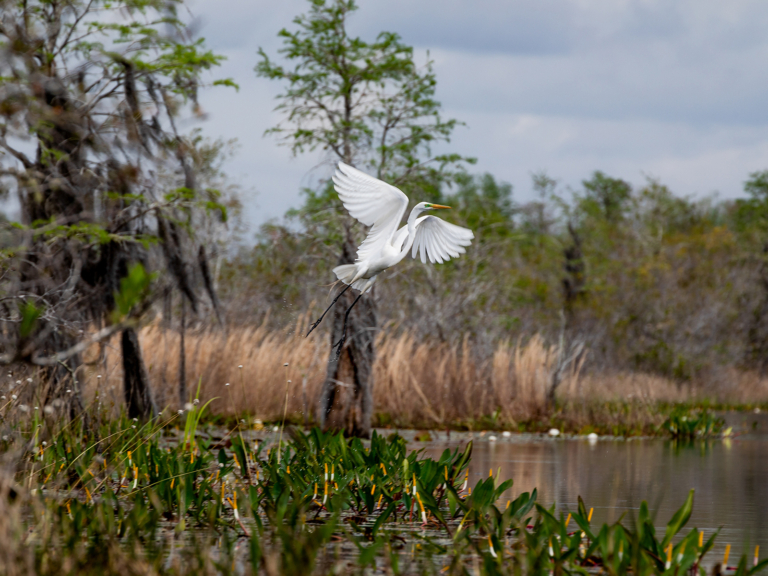
Seeking to protect an established park from a nearby threat, activists have a few options. They can, for instance, try the legislative route, though that can take a generation or two. Or they can sue under the Endangered Species Act. The Okefenokee National Wildlife Refuge is home to the endangered red-cockaded woodpecker, so that might have worked. But in Georgia, as elsewhere, folks prize private-property rights, so those approaches might not have resonated. Getting the owners of the land a good price—that appealed to everyone. Of course, not everyone has $60 million to spend.
“I have to say that’s where the Holdfast Collective really came through for us,” Funderburke said, referring to the nonprofit owner of Patagonia. “Having Holdfast donate quickly gave others confidence to pitch in, too.” The James M. Cox Foundation also played a major role.
Each year, Patagonia gives a dividend to the Holdfast Collective so it can provide grants to environmental causes. Greg Curtis, the executive director of Holdfast, said that what transpired with the Okefenokee is exactly how he hopes the organization can always act. “The frontline groups and coalition do the real work. We hope that we can provide the seed funding or a little extra that helps them get it over the finish line.” This time, it did.
Want to take action in your own backyard?
Sign a petition, attend an event or volunteer your skills to a local environmental nonprofit on Patagonia Action Works.
Explore
- Share on Facebook
- Share on Snapchat
- Share on Pinterest
- Share on Twitter
- Share on LinkedIn
- Share on Email
- Share on Copy Link
Author Profile
Brad Wieners
Brad is Patagonia’s editorial director.
Related Stories
